90% of consumers say authenticity matters when they choose brands — a stark reminder that real moments beat polished filters.
You want to document what actually happened, not just a highlight reel. This guide shows how to plan, capture, and publish work that builds trust while still looking polished.
Expect present-tense, in-the-moment observation paired with short reflections. You will learn simple pre-trip planning, on-the-ground capture habits, and story-first editing that respect people and place.
Why this matters now: audiences favor reality over perfection in today’s media world. These tips favor natural light, flexibility, and clear storytelling arcs so your pieces connect.
Key takeaways: Learn to document real moments; use practical methods to make your work trustworthy and engaging.
What “Authentic” Really Means in Travel Content Today
Focus on ordinary moments; they explain a place far better than its postcard shots. When you aim for work that feels real, start with daily life — routines, transit, signage, markets, and the small interactions that reveal how a place functions.
Go beyond the surface with daily life, culture, and real moments
Look for short scenes: a morning vendor, a bus exchange, a queue that tells you local rhythms. These small moments signal reality more quickly than landmarks.
Why authenticity is subjective and still worth pursuing
What feels genuine to you may not to someone else. That subjectivity does not make the effort pointless — it deepens understanding and builds trust with your audience.
Local vs. authentic: why they aren’t always the same thing
Locals can point to common habits, but common ≠ culturally meaningful. Something modern or surprising can still be real; consider Spam in Hawaii: a wartime import that became part of daily food and identity.
When “authentic” feels staged and how to capture it honestly
Performances and tourist programming exist. Document them with context: note what locals say, your reaction, and small details like wait times or weather. That approach keeps your work ethical and credible.
Use curiosity, humility, and steady documentation habits as your method for going beyond surface. For more practical steps, see this authentic travel guide.
Why Authenticity Builds Trust, Connection, and Engagement
A raw snapshot of an ordinary moment is a fast way to spark meaningful connection.
How honest posts create connection and conversation
When you share a specific moment, people reply with their own stories. That back-and-forth becomes a conversation that deepens connections and grows your audience.
What audiences expect now: less polish, more reality
Audiences want fewer filters and more context. Short behind-the-scenes notes or a frank line about how you felt are a great way to show what those experiences actually felt like.
The business case: why people support real reporting
From Kathrin Di Lauro: honest social posts create connection and conversation; “curated feeds and filters are out.” A recent stat shows 90% of consumers say authenticity matters when they choose brands.
| Outcome | How it links to real posts | Typical metric uplift |
|---|---|---|
| Trust | Transparent tips, costs, and timing | +25% repeat visits |
| Engagement | Shareable moments that start conversation | +30% comments & shares |
| Conversions | Honest itineraries and transit notes | +15% affiliate clicks |
One useful example: publish a realistic itinerary with buffers, prices, and your energy level at each stop. That builds trust and helps people gain understanding of whether those travel experiences fit them.
Pre-Trip Planning for Authentic Travel Experiences You Can Document
Prepare with local sources so your time on the ground yields deeper, documentable moments. Research before you leave: read local forums, neighborhood blogs, and long-stay reports rather than only listicles.

Do your homework with local voices and slow perspectives
Use forums and long-stay writers to learn where daily life happens. Slow, longer stays expose routines you can record and reduce the rush of tourist hotspots.
Set expectations and measure “real”
Write three goals for the trip: what you want to learn, assumptions to test, and how you’ll judge success beyond aesthetics. Measure outcomes by comfort, new understanding, and one meaningful conversation per neighborhood.
Learn key language basics
Beyond hello and thank you, memorize phrases like “Where do you recommend?”, “What’s popular here?”, and “May I take a photo?” These lines open doors and reduce awkwardness while you document daily life.
Choose stays near everyday places
Pick neighborhoods with markets, transit access, and walkable streets. Short commutes mean more spontaneous moments and repeat encounters that build stronger stories.
- Identify 3–5 scenes to capture: morning routines, transit, markets, cafes, and streets.
- Book lodgings with walkability, market access, and local vibes.
- Read etiquette and photo norms so you don’t improvise consent in the moment.
Good prep narrows your focus. The result is clearer scenes, fewer generic captions, and stronger arcs that show how places actually function.
How to Capture Authentic Travel Content While You’re Traveling
Record the small decisions and pauses that make an experience feel lived-in. Stay present, notice gestures, and collect short clips or notes so your memories are honest and usable later.
Capture moments, not just photos
Presence-first capture means you look, listen, and save quick clips rather than staging every shot. A 5–8 second clip of a vendor, a hand paying, or a closed gate often says more than a posed photo.
Let go of perfection
Show the small setbacks—missed trains, wrong turns, closed attractions—and how you adapt. Those details increase credibility and make the story feel real.
Use natural light and simple framing
Shoot near windows, in open shade, and during early or late daylight to keep tones true. Change your height, use negative space, or shoot through doorframes to get fresh angles without staging the scene.
Turn flexibility into narrative
When plans change, capture the decision, the emotion, and the new discovery. That detour becomes a clear beat in the day and strengthens your final story.
- Document transitions: walking, waiting, reading menus—these bits preserve memories of the day.
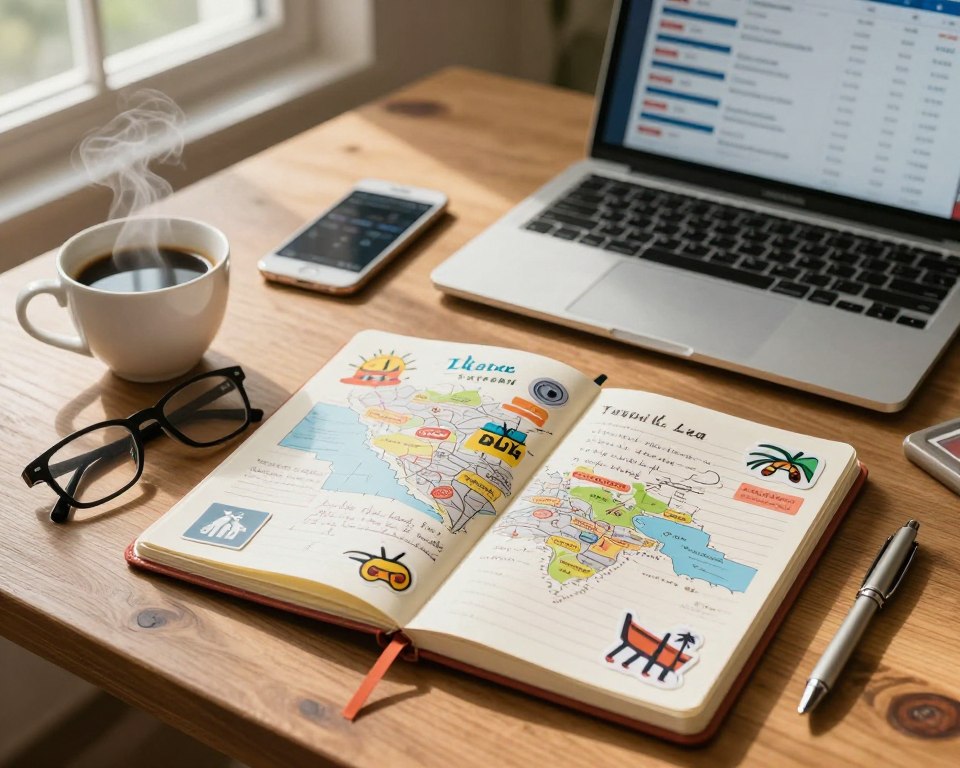
- Daily formats: use Stories for raw moments, a Reel to summarize the day, and a longer caption or journal note for context.
- Keep respect and clarity: honest doesn’t mean sloppy; edit lightly and keep intent clear.
| Format | Best use | Typical length |
|---|---|---|
| Stories | Raw, immediate moments and transitions | 5–15 seconds per clip |
| Reel / Short video | Summarize a full day or sequence of moments | 15–60 seconds |
| Long caption / Journal | Provide context, decisions, and reflections | 200–400 words |
For a practical system you can repeat each trip, see this guide on how to document your travels and preserve the things that matter most.
Document People, Culture, and Place with Respect
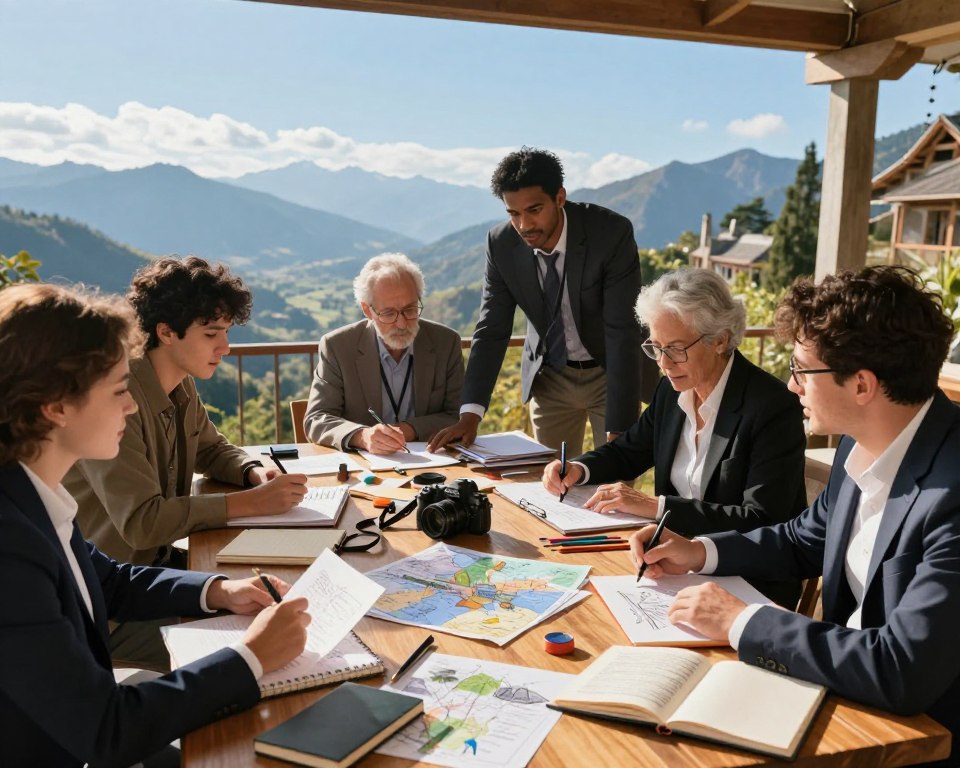
Start by listening: a short question can open a conversation that reveals daily routines and beliefs.
When you photograph or film people, prioritize consent, context, and dignity. Ask before you point a camera. If someone declines, record the scene around them instead.
Start real conversations
Ask about daily routines, what locals are proud of, and what is changing. Short, open questions invite honest replies.
Example: “What do you do most mornings here?” or “Which snack should I try if I want to eat like a local?”
Use local guides thoughtfully
Vet guides before you book. Read independent reviews and message specific questions to check whether they explain traditions or stick to scripted stops.
Red flag: guides who avoid answering questions about origins, community roles, or cost transparency.
Join everyday life
Ride public transit, walk neighborhoods, and shop at markets. Those small choices show how a place functions.
Focus on micro-moments: a market vendor arranging produce, a commuter reading on the bus, a neighborhood bakery that serves late-night snacks.
Food and festivals
Use food as a way in—document what people actually eat, not only popular restaurants. Capture humble snacks and the places where locals gather.
At events, film preparations, music, and rituals. Limit intrusive close-ups and prioritize participants’ explanations of what the festival means.
“Respect the person, record the story, and let the place speak through its people.”
- Consent first: always explain how you will use images or quotes.
- Vetting guides: ask for references and sample itineraries.
- In crowded sites: shift from crowd shots to one-on-one conversations and specific details.
| Situation | Do | Don’t |
|---|---|---|
| Market scenes | Buy something, ask permission to shoot | Point camera without talking |
| Hiring a guide | Check forums and ask about community ties | Book based only on polished photos |
| Festivals | Film preparations and listen to performers | Treat rituals as spectacle |
Reflect on what you learned and share it without judgment. Your role is to show people, culture, and place honestly—and with respect.
Turn Your Footage Into Stories Your Readers Actually Feel
Start by shaping the day’s footage into a clear, human-sized arc that readers can follow.
Build a beginning, middle, and end. Open with what you expected, show the moment things shifted, and close with what changed for you. That structure turns raw clips into a meaningful story.
Show the messy parts
Include discomfort, confusion, and small defeats. Those moments make the experience believable.
Blend context with emotion
Briefly explain local background or history, then add what it made you realize. Use specific details so readers trust the scene.
- Specificity signals: prices, transit lines, neighborhood names, menu items, opening hours, weather, sounds.
- Note contradictions: a staged performance can still matter; a busy square can feel intimate at certain times.
- Edit lightly: fix exposure, tighten pacing, keep colors true, and preserve natural sounds where possible.
Platform strategy and a repeatable workflow
Use long-form posts for depth and short-form media for key moments. Link captions to fuller explanations for context and understanding.
“Organize by day, tag best moments, draft your arc, then edit for clarity without rewriting what happened.”
Conclusion
Finish with one clear question: what did this experience teach you? That question keeps your work grounded and turns simple observations into meaning.
This is a strong, practical nudge: when you’re visiting a new city you’ll still be a tourist. What matters is how you show up, what you notice, and how you treat people and places.
Recap the process: plan with local research and basic language, capture short moments with flexibility, document everyday life respectfully, then edit lightly into a clear story. Measure success by deeper connections, honest conversations, and pieces that last.
On your next trip, pick one neighborhood, repeat a café visit, ride the same transit line, and choose one or two ways to go deeper—markets, guides, or festivals—and record what you learn, not just what you see.